Concrete Pumping vs. Traditional Pouring Methods: What’s the Difference
Concrete pumping helps efficiently place large or hard-to-reach concrete, and local service providers can assist in choosing and performing the best method for your project.
If you’re exploring options for pouring concrete on your property, understanding the differences between concrete pumping and traditional pouring methods can make a significant impact on your project. Property owners in the area may find it helpful to compare these approaches to determine which best suits their needs, whether it’s for a driveway, foundation, or outdoor patio. Concrete pumping services offered by local contractors often provide a streamlined, efficient alternative to manual pouring, especially for larger or more complex projects, ensuring a smooth and precise result. Keep reading to discover how these methods differ and how local service providers can support your specific concrete needs.
Choosing the right pouring method depends on factors like project size, site accessibility, and desired finish quality. Concrete pumping, for example, can reach difficult or tight spaces more easily than traditional methods, reducing labor and time. Local contractors who specialize in concrete pumping are equipped to handle various types of projects, offering practical solutions that can improve efficiency and quality. As you continue exploring this topic, you'll gain a clearer understanding of the advantages each approach offers and how trusted local service providers can help you make the best choice for your property.
- Concrete pumping services are ideal for large-scale projects where quick placement is needed, and local contractors use specialized equipment to efficiently deliver concrete to hard-to-reach areas. Traditional pouring methods may be preferred for smaller or straightforward jobs, with local service providers relying on manual labor and wheelbarrows or shovels for placement. When working on projects with tight schedules or complex layouts, concrete pumping can save time and reduce labor, as local pros operate high-capacity pumps to streamline the process. For areas with limited access or elevated surfaces, local contractors often recommend concrete pumping to ensure consistent flow and placement without extensive manual effort. Comparing concrete pumping vs. traditional pouring methods helps determine which approach best suits the project's scope, with local service providers ready to adapt to specific site requirements.
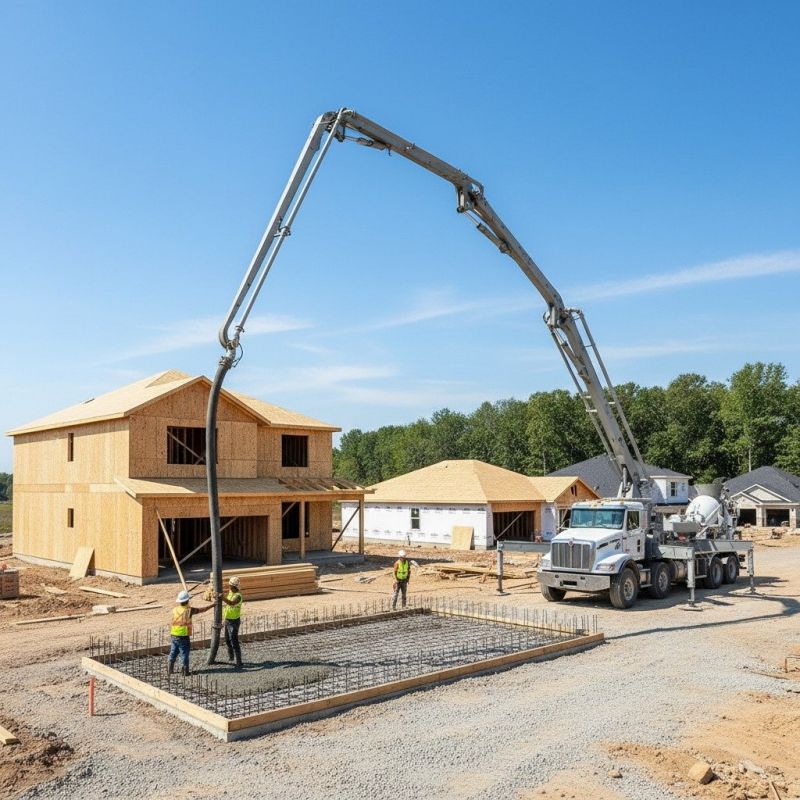
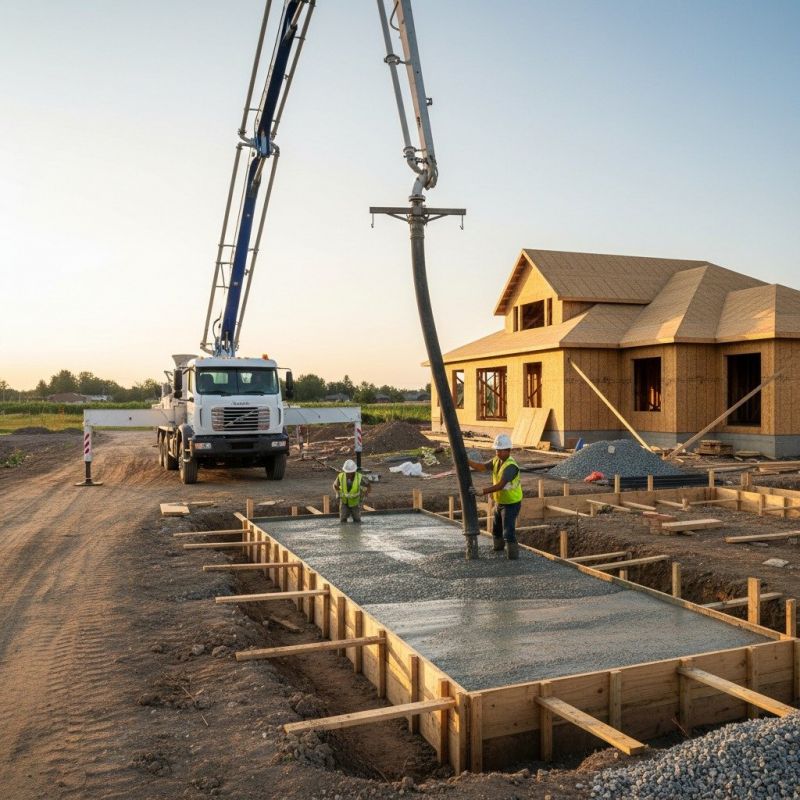
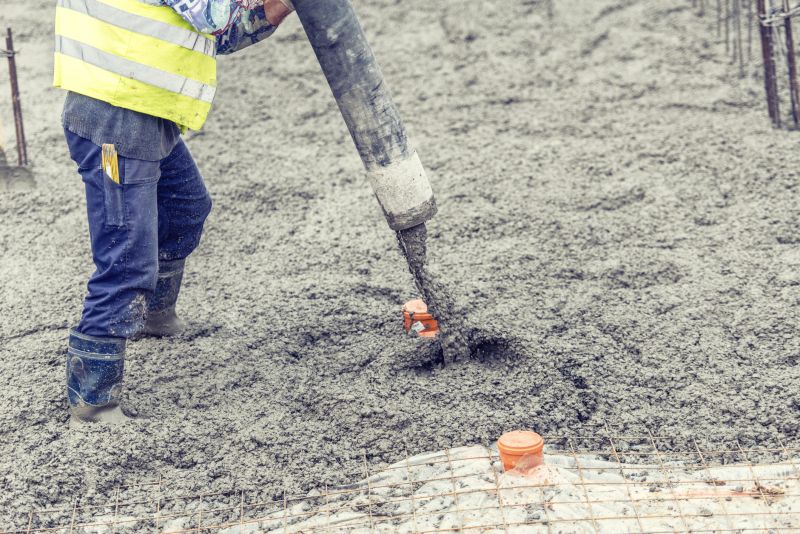
When homeowners search for information on concrete pumping versus traditional pouring methods, they are often trying to understand which approach best suits their specific project needs. This comparison typically arises during planning for various types of construction or renovation projects, such as building a new driveway, pouring a foundation, or installing a slab for a garage. The goal is to determine which method offers a more efficient, cost-effective, and reliable way to get concrete in place. Homeowners may also be interested in understanding the differences in setup, labor requirements, and the overall impact on project timelines, especially when working with larger or more complex properties.
The comparison between concrete pumping and traditional pouring methods relates closely to the kinds of problems or plans homeowners face when tackling concrete projects. For instance, projects involving hard-to-reach areas, tight spaces, or uneven terrain often benefit from the precision and ease of concrete pumping. Conversely, smaller or straightforward pours might be adequately handled with manual methods like wheelbarrows and shovels. Understanding these distinctions helps homeowners plan effectively, especially when considering the scope of their property-whether it’s a residential backyard, a commercial lot, or a multi-story building. Local contractors offering concrete pumping services can provide solutions tailored to these specific needs, helping to streamline the process and reduce potential delays caused by logistical challenges.
Properties that typically come up in discussions about concrete pouring methods range widely, from single-family homes and small commercial buildings to large-scale developments. Residential properties often involve driveways, patios, or foundation footings, where traditional methods can be sufficient but may become cumbersome if access is limited. Larger properties or projects with complex layouts-such as multi-level structures or areas with difficult access-are more likely to benefit from concrete pumping. This method allows for quicker, more precise placement of concrete, especially in hard-to-reach spots. Local service providers specializing in concrete pumping can help assess the property’s layout and recommend the most suitable approach, ensuring the project progresses smoothly without unnecessary complications.
Ultimately, understanding the differences between concrete pumping and traditional pouring methods helps homeowners make informed decisions that align with their project plans and property characteristics. While traditional pouring might work well for small, accessible areas, concrete pumping offers advantages in speed, reach, and precision for larger or more complex projects. In many cases, local contractors who specialize in concrete pumping can provide valuable expertise and equipment to enhance the efficiency of the pour. Connecting with these service providers ensures that homeowners have access to the right tools and techniques for their specific property, helping to keep projects on track and meet their construction goals effectively.
Foundation Construction - foundation projects often require precise concrete placement, benefiting from the efficiency and accuracy of concrete pumping compared to traditional pouring methods.
Large-Scale Commercial Projects - commercial developments frequently involve extensive concrete work where skilled local contractors utilize pumping equipment to expedite the process and ensure even distribution.
Residential Driveways and Patios - these smaller projects can be completed more quickly with concrete pumping, which helps local service providers deliver smooth, consistent surfaces with less manual effort.
Bridge and Overpass Construction - such infrastructure projects demand high-volume concrete placement, making concrete pumping a preferred method for local contractors handling complex, multi-level pours.
Industrial Flooring - pouring large industrial floors requires uniformity and speed, which local pros achieve through the use of concrete pumping over traditional methods.
Underground Utilities and Basement Walls - these projects benefit from the ability of concrete pumping to navigate tight spaces and deliver concrete precisely where needed, compared to manual pouring techniques.
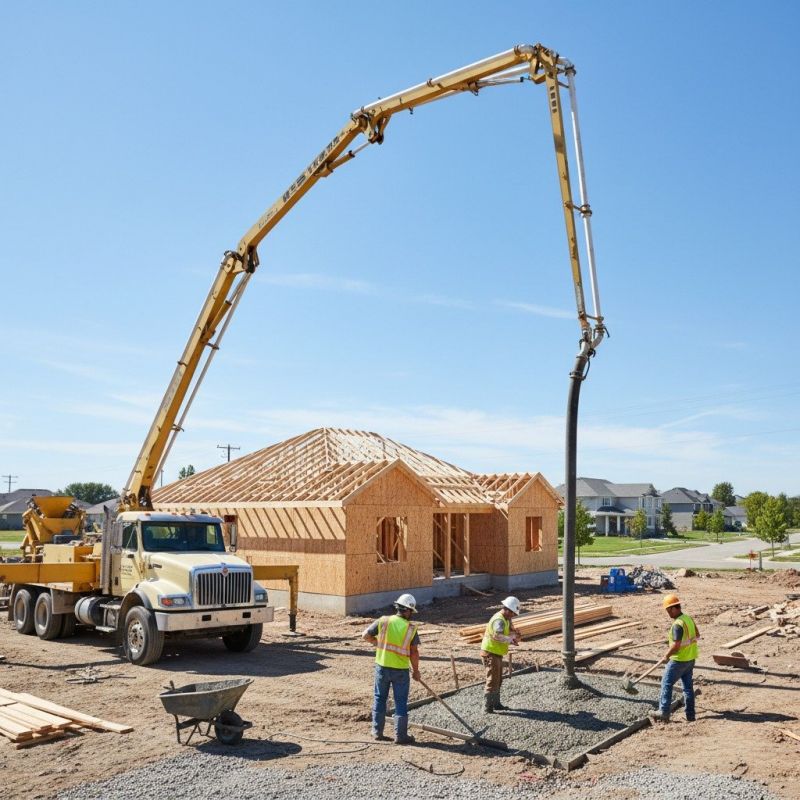
When evaluating service providers for concrete work, it is important to consider their experience with similar projects, particularly those involving concrete pumping versus traditional pouring methods. Contractors who have handled a range of projects with comparable scope and complexity are more likely to understand the nuances of each approach and recommend the most effective solution. Asking for clear examples of past work can help gauge their familiarity with both techniques and ensure they are capable of managing the specific demands of the project.
Clear written expectations are essential when comparing local contractors for concrete pumping services. It's beneficial to seek detailed descriptions of how the work will be performed, including the equipment that will be used and the sequence of steps involved. This transparency helps ensure that there are no surprises and that everyone has a shared understanding of the process. Well-defined expectations also make it easier to compare proposals and assess which service providers are best aligned with the project's needs.
Reputable references and effective communication are key factors in choosing the right contractor. Service providers with positive references from previous clients can provide insight into their reliability and quality of work. Additionally, good communication-such as responsiveness to questions and clarity in explanations-indicates professionalism and a willingness to collaborate. When considering concrete pumping versus traditional pouring methods, selecting a contractor who is transparent, communicative, and well-regarded can contribute to a smoother project experience and a successful outcome.
Property owners often search for concrete pumping vs. traditional pouring methods: what’s the difference when they are planning practical projects around their homes and businesses. Local pros provide Concrete Pumping services for everyday jobs and straightforward project options.
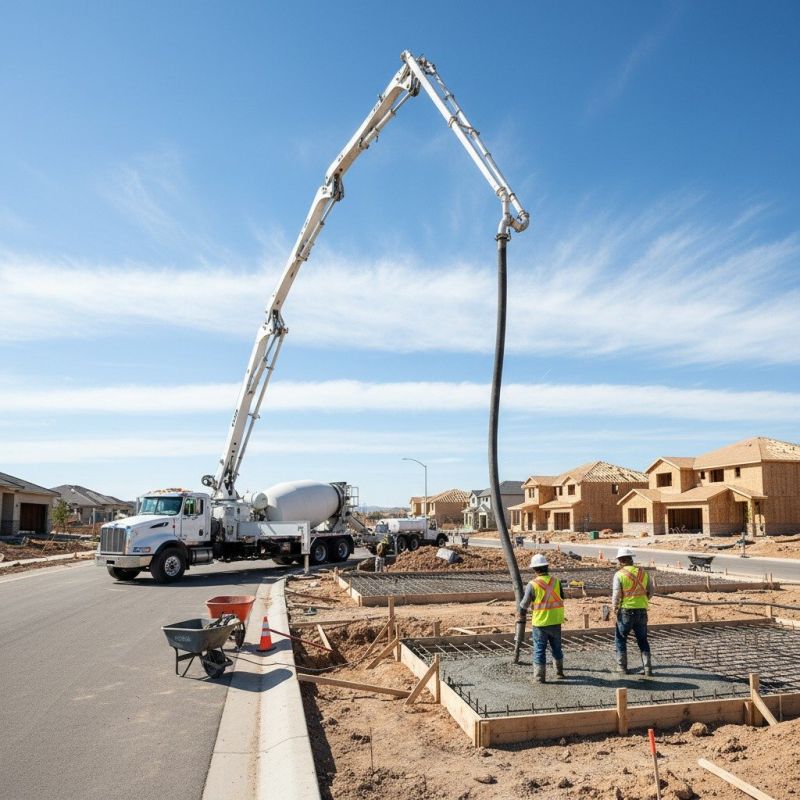
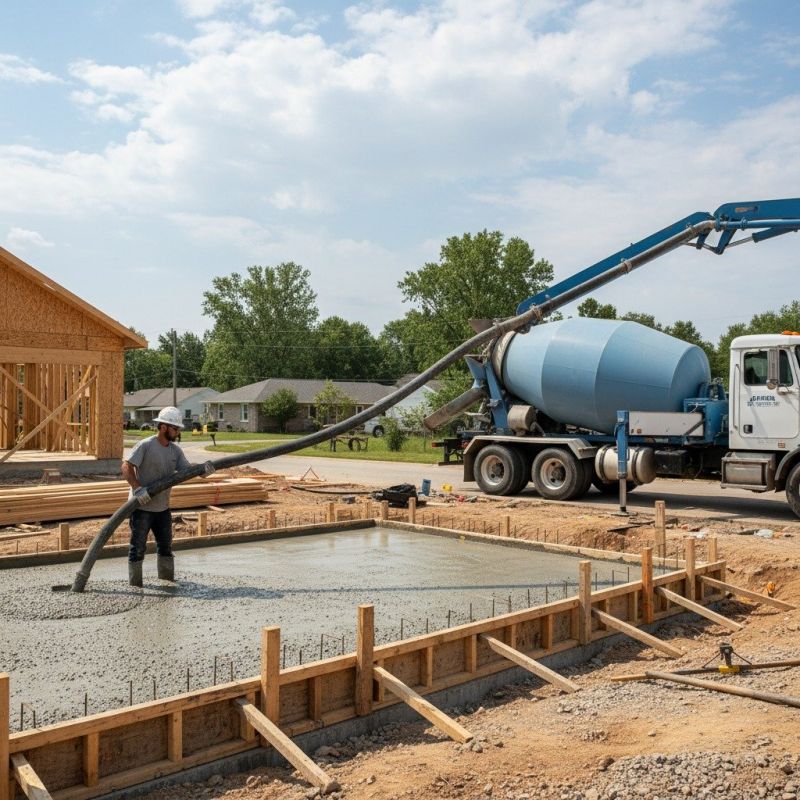
When tackling small or straightforward concrete projects around the property, traditional pouring methods often remain a common choice. This approach involves manually transporting and spreading concrete using wheelbarrows, shovels, and hand tools, making it suitable for smaller slabs, walkways, or repair work. Property owners may look into concrete pumping services when facing larger or more complex projects, such as driveways or foundations, where efficiency and precision are important. Local contractors offering concrete pumping can help ensure the concrete is delivered quickly and accurately, especially in areas that are difficult to access or require precise placement.
For larger or more intricate projects, concrete pumping services can offer significant advantages over traditional pouring methods. These services utilize specialized equipment to transfer concrete through hoses directly to the desired locations, reducing labor and minimizing manual handling. Property owners might consider concrete pumping from local service providers when working on projects that demand faster completion or involve hard-to-reach spots. By choosing local pros experienced in concrete pumping, property owners can often achieve smoother workflows and more consistent results, making it a practical option for a variety of construction or renovation needs.
What is concrete pumping compared to traditional pouring methods? Concrete pumping involves using a specialized pump to transfer liquid concrete directly to the desired location, while traditional pouring relies on manual methods like wheelbarrows or chutes to deliver the concrete.
How does concrete pumping benefit construction projects? Concrete pumping can increase efficiency, reduce labor, and allow for placement in hard-to-reach areas, making it a practical alternative to traditional pouring methods handled by local contractors.
Are there specific situations where concrete pumping is preferred over traditional pouring? Yes, concrete pumping is often preferred for large-scale projects, high-rise buildings, or areas with limited access, where traditional pouring methods may be less practical or more labor-intensive.
Can local service providers handle both concrete pumping and traditional pouring? Many local contractors are equipped to offer both services, allowing for flexible solutions based on the project's needs and site conditions.
What should be considered when choosing between concrete pumping and traditional pouring? Factors like project size, site accessibility, and the complexity of placement can influence the choice, and local pros can help determine the most effective method for specific requirements.
Assessing project size and complexity - Property owners can evaluate whether a small or large-scale project benefits more from concrete pumping or traditional pouring methods by consulting local contractors.
Choosing the right delivery method - Homeowners planning driveways, patios, or foundation work can discuss with local pros which method ensures efficient and even concrete placement.
Considering access and site conditions - For properties with limited access or tight spaces, property owners might opt for concrete pumping services to reach difficult areas more easily.
Planning for efficiency and quality - Property owners can work with local service providers to determine which method offers better control over concrete flow and finish quality for their specific project.
If you are thinking about concrete pumping vs. traditional pouring methods: what’s the difference for a property, this guide is meant to help you understand this topic, the typical project types, and how different options might fit your plans.
When you are ready, you can use the quote form on this page to share a few details about your project. From there, local pros can review the basics and follow up with options that match what you have in mind.