Commercial Concrete Pumping vs. Traditional Pouring Methods
People comparing commercial concrete pumping to traditional pouring methods often seek efficient, accurate placement; local service providers can handle the job professionally.
If property owners in the area are considering different methods for pouring concrete on their commercial sites, understanding the differences between commercial concrete pumping and traditional pouring methods can be essential. These choices can impact project efficiency, precision, and overall results, making it worthwhile to explore the practical benefits and limitations of each approach. Whether planning a large-scale construction or a smaller upgrade, knowing what options are available can help ensure the work is completed smoothly and effectively.
Local contractors who specialize in commercial concrete pumping offer solutions that can address common challenges faced during concrete placement, especially in tight or hard-to-reach spaces. By comparing these services to traditional pouring techniques, property owners can better evaluate which method aligns with their project requirements. Continuing to explore this topic can reveal valuable insights into how modern concrete placement methods may enhance the quality and ease of the construction process.
- Commercial concrete pumping services are ideal for large-scale projects where rapid placement of concrete is needed, and local contractors employ specialized equipment to ensure efficiency. When pouring concrete into hard-to-reach areas or above ground levels, local pros often recommend commercial pumping for quicker, more precise results compared to traditional methods. For projects requiring high-volume concrete placement with minimal labor, local service providers utilize commercial pumping to reduce onsite time and improve accuracy. In situations involving complex or uneven terrain, commercial concrete pumping from local contractors offers a practical alternative to manual pouring methods. For ongoing or repetitive construction tasks, local pros can provide consistent and reliable commercial pumping solutions that outperform traditional pouring techniques.
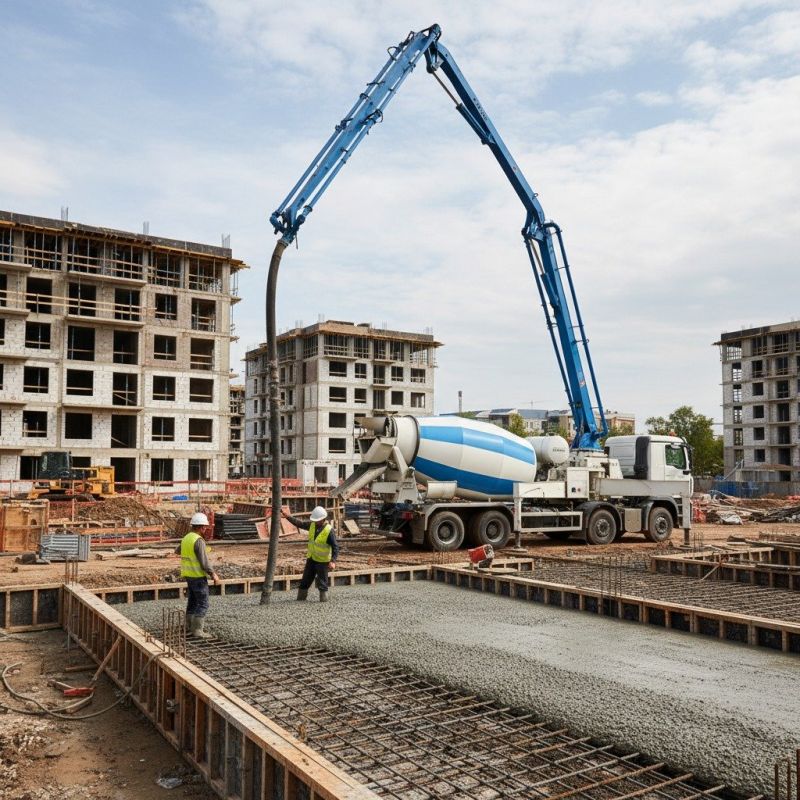
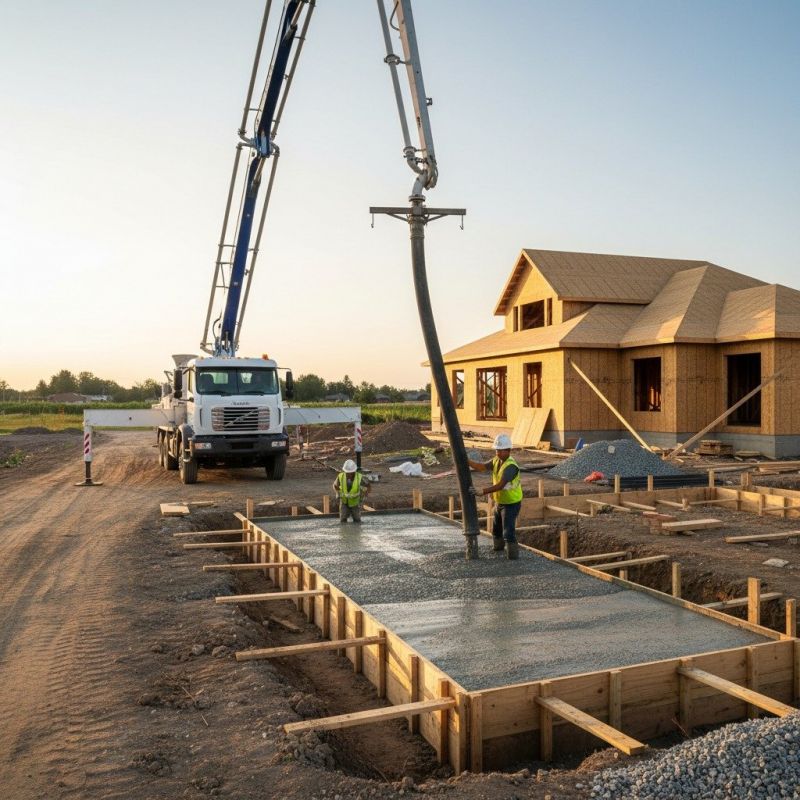
When people search for commercial concrete pumping vs. traditional pouring methods, they are often trying to understand the differences between these two approaches to placing concrete in construction or renovation projects. This comparison is relevant for property owners, contractors, or developers planning new builds, expansions, or large-scale repairs. The focus tends to be on how each method impacts project timelines, labor requirements, and the overall quality of the finished surface. Homeowners or property managers may also explore this topic when considering upgrades to commercial properties or large residential developments, seeking options that streamline the process and ensure consistent results.
The choice between commercial concrete pumping and traditional pouring methods is closely tied to specific project needs and challenges. For example, projects with hard-to-reach areas, such as multi-story buildings or structures with tight spaces, often benefit from concrete pumping due to its ability to deliver concrete precisely where it’s needed. Conversely, smaller or straightforward slabs might be adequately served by traditional methods like wheelbarrows and shovels. Problems such as uneven pours, delays caused by manual labor, or the risk of concrete segregation are common concerns that influence the decision. Property owners with plans for large-scale commercial developments, industrial floors, or complex architectural features often look into concrete pumping as a way to improve efficiency and quality.
The types of properties that frequently come up in discussions about commercial concrete pumping vs. traditional pouring include commercial buildings, warehouses, parking garages, and multi-unit residential complexes. These properties typically require large volumes of concrete poured quickly and accurately across extensive or multi-level areas. Industrial facilities with high ceilings or complex layouts also often benefit from the reach and power of commercial concrete pumping. On the other hand, smaller residential projects such as driveways, patios, or single-story foundations are more commonly associated with traditional pouring methods. Understanding the property type helps determine whether a project might gain advantages from the precision and speed of commercial concrete pumping or if traditional methods are sufficient.
For property owners and contractors, knowing how each method connects to real projects clarifies the role of local service providers. Commercial concrete pumping pros bring specialized equipment capable of handling large volumes and difficult-to-access locations, making them an essential part of large or complex projects. These professionals can help ensure that concrete is placed efficiently, minimizing delays and reducing manual labor. Meanwhile, traditional pouring methods remain suitable for smaller or simpler projects, where the scope and complexity do not justify the need for pumping equipment. By comparing these options and understanding the specific demands of a project, property owners can better coordinate with local contractors who specialize in either approach, ensuring the chosen method aligns with their project’s goals and property type.
Foundation Laying Projects - foundation work often requires precise placement of concrete in hard-to-reach areas, making commercial concrete pumping services advantageous compared to traditional pouring methods.
High-Rise Construction - constructing tall buildings involves vertical concrete placement where specialized pumping equipment can improve efficiency over manual pouring techniques.
Industrial Facility Foundations - large-scale industrial projects benefit from the speed and consistency of concrete pumping to meet tight deadlines and complex layouts.
Parking Garage Construction - multi-level parking structures often need rapid concrete placement, which local contractors can provide through advanced pumping methods instead of traditional pouring.
Bridge and Overpass Projects - these infrastructure projects require precise and large-volume concrete placement, where commercial concrete pumping enhances workflow compared to manual methods.
Slab and Floor Installation - large concrete slabs and floors are efficiently poured using pumping services, reducing labor effort compared to traditional manual pouring techniques.
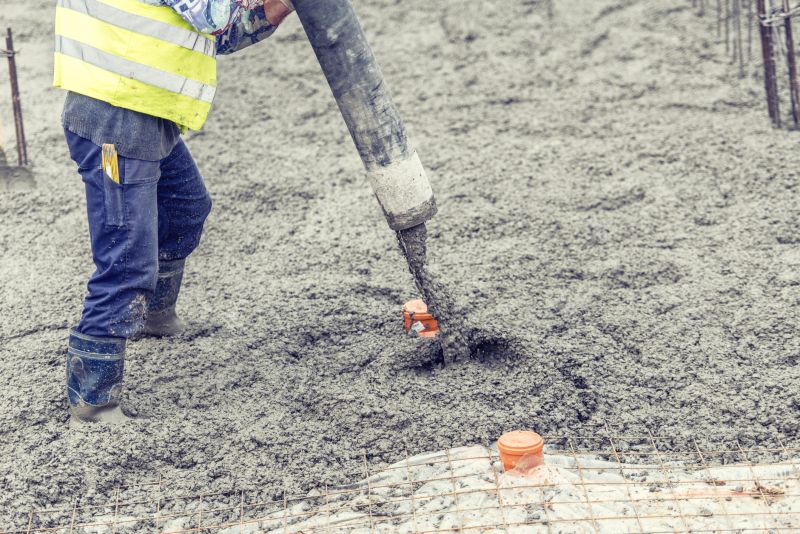
When comparing service providers for commercial concrete pumping versus traditional pouring methods, it is important to evaluate their experience with similar projects. Homeowners should seek out local contractors who have a proven track record of handling projects comparable in size and complexity. An experienced professional will understand the nuances of different pouring techniques and can offer insights into which method best suits the specific requirements of the job. This familiarity can help ensure that the work is completed efficiently and meets the desired standards, providing confidence that the chosen service provider has the necessary background to deliver quality results.
Clear written expectations are essential when selecting a local contractor for concrete work. Homeowners should look for providers who can outline their scope of work, the specific methods they plan to use, and any materials or equipment involved, especially when comparing commercial concrete pumping to traditional pouring. Having detailed, transparent communication upfront helps prevent misunderstandings and ensures that both parties are aligned on project goals. Well-documented expectations also serve as a reference point throughout the project, contributing to a smoother process and better overall satisfaction.
Reputable references and good communication are key factors to consider when choosing a local contractor. Homeowners should inquire about past projects similar in scope and ask for references or reviews from previous clients. This can provide insights into the contractor’s reliability, professionalism, and ability to meet deadlines. Additionally, effective communication-such as responsiveness, clarity, and willingness to answer questions-can make a significant difference in the overall experience. Contractors who prioritize open dialogue and transparency are more likely to deliver a positive outcome, whether they are using commercial concrete pumping or traditional pouring methods.
Property owners often search for commercial concrete pumping vs. traditional pouring methods when they are planning practical projects around their homes and businesses. Local pros provide Commercial Concrete Pumping services for everyday jobs and straightforward project options.
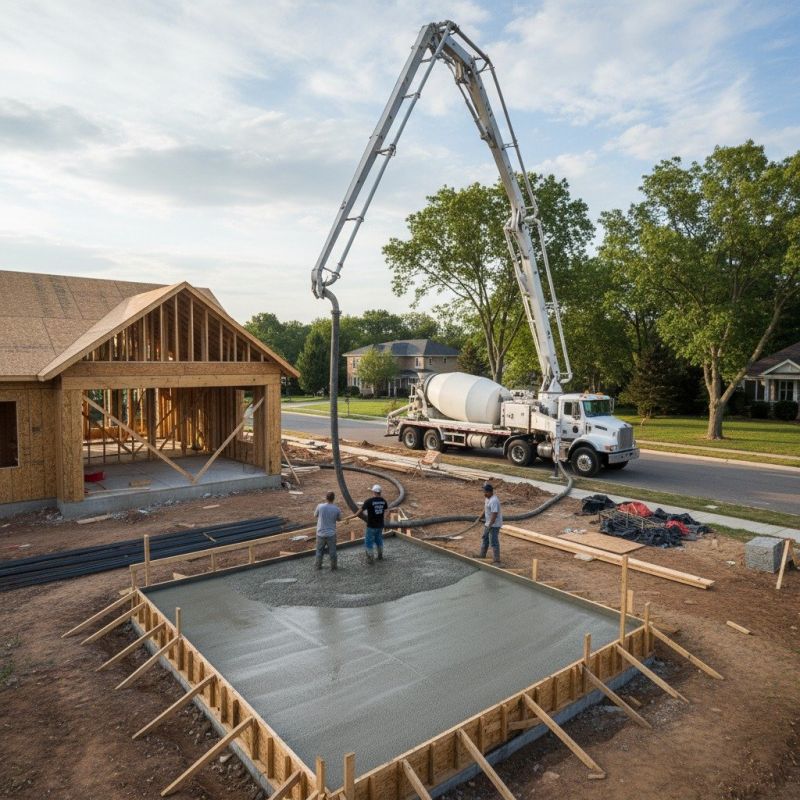
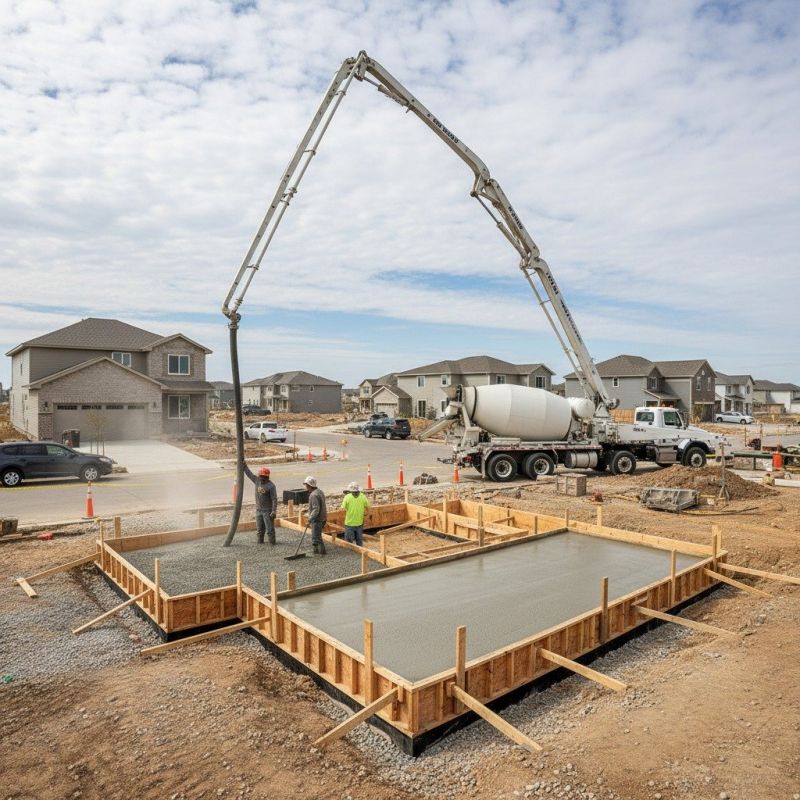
When undertaking construction or renovation projects, property owners often compare commercial concrete pumping versus traditional pouring methods to determine the best approach for their specific needs. For smaller or straightforward projects, traditional pouring with wheelbarrows or buckets might be sufficient, especially when access is easy and the area is limited. However, in more complex situations-such as large-scale commercial builds, multi-story structures, or areas with restricted access-property owners might explore commercial concrete pumping services offered by local contractors. These professionals can efficiently deliver concrete to hard-to-reach spots, reducing labor effort and minimizing project delays.
Property owners in the area may look into commercial concrete pumping versus traditional pouring methods to find solutions that save time and improve workflow. When dealing with uneven terrain, tight spaces, or large volume requirements, local service providers specializing in concrete pumping can often provide a more practical and efficient option. By considering the specific demands of their project, property owners can decide whether to rely on traditional methods or opt for commercial concrete pumping, ensuring the work is completed smoothly and with less hassle.
How does commercial concrete pumping differ from traditional pouring methods? Commercial concrete pumping uses specialized equipment to transfer concrete directly to the desired location, often allowing for faster and more precise placement compared to manual pouring methods handled by local contractors.
What are the advantages of choosing commercial concrete pumping over traditional pouring? Using commercial concrete pumping can reduce labor effort, improve accuracy in placement, and enable work in hard-to-reach areas, which local service providers can facilitate with the right equipment and expertise.
Are there specific projects that benefit more from commercial concrete pumping? Larger-scale or complex projects with challenging access points tend to benefit more from commercial concrete pumping, as local contractors can provide the necessary machinery to handle such tasks efficiently.
Can local service providers handle both commercial concrete pumping and traditional pouring methods? Yes, many local contractors offer both services, allowing for flexibility based on project requirements and site conditions.
What practical factors should be considered when choosing between commercial concrete pumping and traditional pouring? Factors such as project size, site accessibility, and desired precision influence the decision, with local pros able to assess these aspects to recommend the most suitable method.
Assessing project size and scope - Property owners can evaluate whether commercial concrete pumping services are suitable for large or complex projects to save time and effort.
Choosing the right pouring method - Understanding the differences between commercial concrete pumping and traditional pouring helps determine the most efficient approach for specific site conditions.
Planning for accessibility and site layout - Considering site layout and accessibility can influence whether local contractors recommend pumping services over manual pouring methods.
Consulting with local contractors - Engaging with experienced service providers can provide insights into which concrete pouring method best aligns with project needs and site constraints.
If you are thinking about commercial concrete pumping vs. traditional pouring methods for a property, this guide is meant to help you understand this topic, the typical project types, and how different options might fit your plans.
When you are ready, you can use the quote form on this page to share a few details about your project. From there, local pros can review the basics and follow up with options that match what you have in mind.